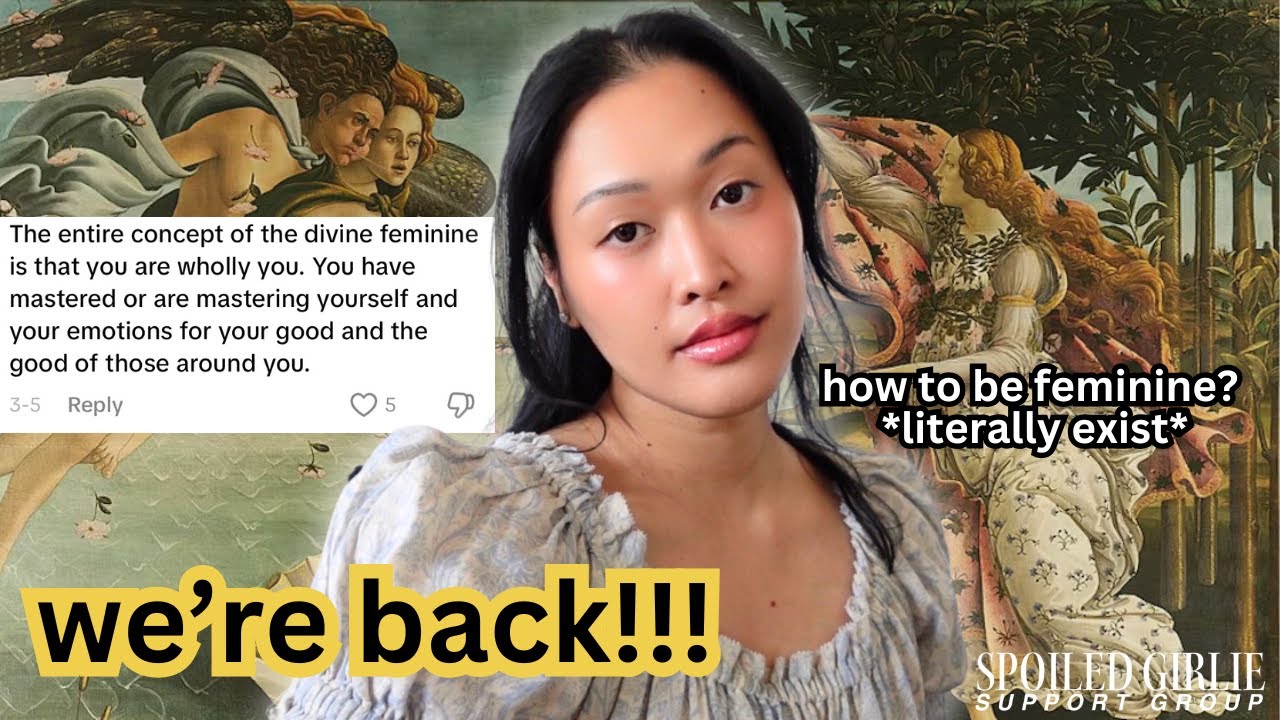
Reclaiming "Spoiled Girlie": Redefining Negative Meanings and Identity
The term "girlie" has long been burdened with a complex history, often evoking images ranging from the innocently feminine to the overtly condescending, and sometimes even the commercially objectifying. Historically, it has been used in ways that diminish adult women, relegating them to a lesser, more infantile status. However, a fascinating cultural shift is underway: women are actively re-embracing and redefining terms like "girlie," particularly in the phrase "spoiled girlie." This isn't just a playful linguistic exercise; it's a powerful statement of self-worth, joy, and boundary-setting in a world that often demands women prioritize others above themselves. This article delves into the historical baggage of "girlie," explores the vibrant Beyond Condescension: Understanding the "Girlie" Label's Impact of women reclaiming "spoiled," and most crucially, draws a clear line between genuine self-care and the pitfalls of entitlement, navigating the inherent girlie jamboree criticism that inevitably accompanies such a redefinition.
The Historical Shadow: Why "Girlie" Needed Reclaiming
To understand the power of reclaiming "spoiled girlie," one must first acknowledge the semantic ground it's rising from. For generations, "girlie" has often been deployed as a diminutive term of address for adult women. Imagine an older, dismissive figure saying, "Listen up, girlie," – the intent is rarely endearing. Instead, it strips agency, implies immaturity, and positions the addressed individual as less capable or knowledgeable. This usage, as highlighted in linguistic discussions, lacks a true male equivalent with the same pervasive negative and condescending punch for an adult man. While terms like "laddie," "boyo," or even "sonny" exist, they don't carry the same weight of infantilization when applied broadly to adult males in everyday discourse.
Beyond its condescending address, "girlie" has also been associated with specific commercial contexts, particularly in certain nightlife environments. In some parts of the world, "girlie bars" are distinct establishments where the term takes on a transactional, sometimes objectifying, connotation, separate from a regular pub or a Go-Go bar. This commercial association further embeds the word in a framework that can reduce women to a role catering to others' desires, rather than celebrating their autonomy or self-defined femininity. This historical usage contributes to the backdrop of girlie jamboree criticism – a historical weight of negative connotations that the modern movement seeks to shed.
The cumulative effect of these usages created a word that, for many, was synonymous with being trivialized, underestimated, or placed in a subservient role. This historical baggage is precisely why the act of reclaiming "girlie" – especially in conjunction with "spoiled" – is so significant. It’s not just about language; it’s about redefining identity, agency, and what it means to be a woman in the 21st century.
The "Spoiled Girlie" Jamboree: A Movement of Redefinition
Today, a vibrant "jamboree" of women are embracing the "spoiled girlie" identity, not as a symbol of weakness or indulgence, but as a badge of honor. This modern reclamation is a direct response to societal pressures that often laud women for self-sacrifice, constant striving, and putting everyone else's needs before their own. The "spoiled girlie" movement encourages women to:
- Prioritize Self-Care and Well-being: It’s about indulging in luxurious baths, savoring favorite treats, investing in quality experiences, or simply dedicating time to personal rejuvenation without guilt. This isn't about extravagance, but about recognizing that self-care is not selfish; it's essential.
- Embrace Femininity Without Apology: For too long, "girly" interests or aesthetics have been dismissed as frivolous. The "spoiled girlie" celebrates all facets of femininity, from a love for glitter and pink to a passion for fashion and beauty, without feeling the need to justify or downplay these preferences.
- Set Healthy Boundaries: Being "spoiled" in this context means understanding one's limits and respectfully communicating them. It’s about saying "no" to things that drain energy and "yes" to what brings joy and peace, thereby protecting one's mental and emotional space.
- Cultivate Joy and Gratitude: This identity encourages an appreciation for the good things in life, both big and small. It fosters a mindset of abundance and gratitude, allowing for the enjoyment of life's pleasures.
This movement isn't just about superficial pampering; it’s a deeper affirmation of self-worth. It challenges the notion that women must constantly earn their pleasure or defer their desires. It’s an empowering collective stand against the historical "criticism" that has minimized "girlie" identities, instead transforming it into a symbol of intentional living and self-love. It's a declaration that self-prioritization is not a flaw, but a strength.
The Critical Distinction: Spoiled vs. Entitled
As with any reclamation, there's a vital line that must be drawn to ensure the positive essence isn't lost. The most crucial distinction to make in this girlie jamboree criticism is between being a "spoiled girlie" (in the empowered sense) and being simply entitled. The two, while sometimes superficially resembling each other, are fundamentally different in their impact and underlying motivations.
A genuinely empowered "spoiled girlie" is characterized by:
- Self-Awareness and Gratitude: She understands that her comforts and luxuries are often privileges, not inherent rights. She practices gratitude for what she has and the people around her.
- Personal Responsibility: She takes accountability for her actions and understands that her pursuit of joy should not come at the expense of others.
- Respect for Others: She treats others with kindness and empathy, recognizing their boundaries and needs just as she protects her own.
- Intentional Indulgence: Her "spoiled" nature is about choosing to invest in her well-being, whether through small luxuries or significant experiences, always within her means and without expecting others to fund or facilitate it unwillingly.
- Healthy Boundaries: She sets boundaries not to control others, but to protect her own peace and energy.
Conversely, entitlement, as perfectly illustrated by the Reddit anecdote of the toxic roommate, often manifests as:
- Lack of Empathy: Believing one is inherently owed special treatment, disregarding the feelings or efforts of others. The roommate sending pictures of mouse poop as if it were everyone else's problem epitomizes this.
- Arrogance and Superiority: Treating others as "something below her," exhibiting a belief in one's own elevated status and deservingness.
- Externalized Blame: Refusing to take responsibility for one's actions or circumstances, always finding fault elsewhere.
- Exploitation: Expecting others to cater to one's needs, often without reciprocity or appreciation, and blurring the lines of shared responsibility.
- Poor Social Skills: Often struggling with friendships due to demanding or dismissive behavior, leading to isolation.
The difference is profound. Being "spoiled" (in the reclaimed sense) is about self-care and self-love that enhances one's life and interactions. Entitlement is a toxic trait that detracts from one's relationships and self-worth, leaving a trail of resentment. The empowered "spoiled girlie" thrives responsibly; the entitled individual often alienates and demands. For a deeper dive into this crucial distinction, check out Spoiled vs. Entitled: Navigating Toxic Traits in "Girlie" Spaces.
Cultivating Your Empowered "Spoiled Girlie" Identity
If you resonate with the positive vision of a "spoiled girlie," here are actionable ways to cultivate this identity:
- Define Your "Spoiled": What truly makes you feel cherished, loved, and at peace? Is it a quiet morning with coffee, a luxurious skincare routine, a weekend getaway, or simply permission to rest? Identify these moments and actively integrate them into your life.
- Practice Mindful Indulgence: Enjoy your chosen luxuries without guilt. Remember, this isn't about excessive spending, but about conscious choices that bring you joy and comfort.
- Set and Maintain Boundaries: This is paramount. Learn to say "no" graciously but firmly to commitments that don't serve you. Protect your time, energy, and emotional space.
- Cultivate Gratitude: Regularly acknowledge the good things in your life. A grateful heart naturally fosters generosity and prevents entitlement from taking root.
- Prioritize True Self-Care: Go beyond superficial pampering. Invest in your mental health, physical well-being, and emotional resilience. This might include therapy, healthy eating, exercise, or spending time in nature.
- Be Respectful and Reciprocal: Ensure your "spoiled" identity doesn't lead you to exploit others. Give as much as you receive, and always treat others with the respect and kindness you desire for yourself.
- Embrace Your Unique Femininity: Don't let external "criticism" dictate what "girlie" means to you. If you love sparkles, wear them. If you prefer practicality, own it. Your definition of femininity is yours alone.
Reclaiming "spoiled girlie" is a journey of self-discovery and empowerment. It’s about consciously choosing joy, prioritizing well-being, and embracing femininity without apology, all while navigating the historical girlie jamboree criticism with grace and clear intent. By understanding the distinction between self-love and entitlement, women can truly redefine what it means to be "spoiled" – transforming it from a derogatory label into a powerful affirmation of a life well-lived, cherished, and authentically their own.